
Tips for Pairing Decorative Faucets With Your Cabinet Style
Decorative details often shape the overall impression of a kitchen or bathroom design. While cabinetry usually takes center stage, the fixtures chosen alongside it can dramatically influence the finished appearance of the space. Decorative faucets can help reinforce a design theme, soften bold cabinetry, or introduce contrast that feels intentional and polished. When carefully paired with cabinet styles, these fixtures contribute to a more cohesive and visually balanced environment.
Cabinetry and fixtures are often among the most noticeable features in a remodel, which is why thoughtful coordination matters. According to The Spruce, cabinetry can account for about 25% of a remodeling budget on average, making it worthwhile for homeowners to choose decorative faucets that complement those investments and enhance the overall design aesthetic. Matching finishes, proportions, and style influences can help create a more refined and timeless result.
Coordinate Finishes With Cabinet Hardware
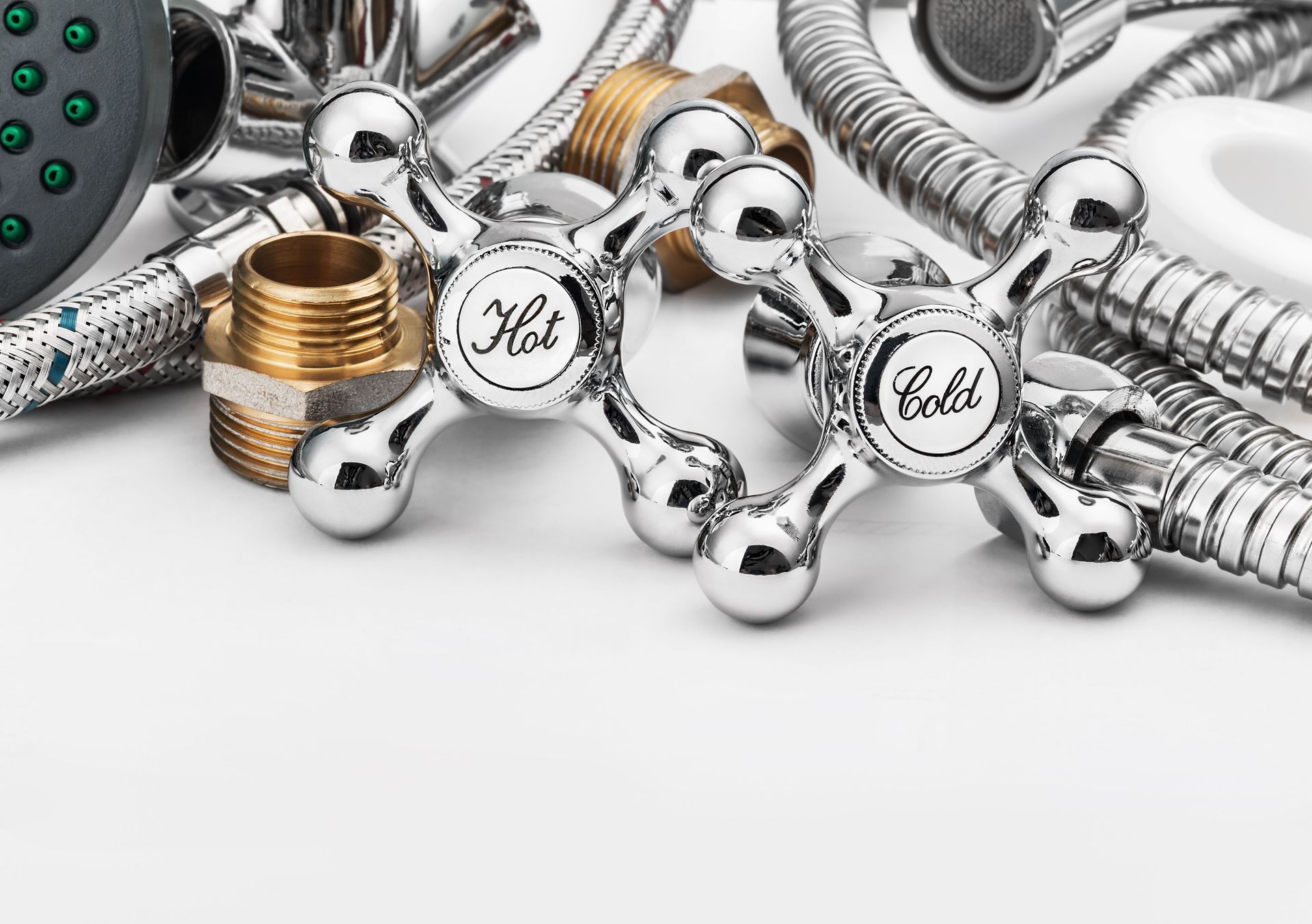
One of the most effective ways to pair decorative faucets with cabinetry is by coordinating the faucet finish with cabinet hardware. Pulls, knobs, hinges, and faucet finishes should feel visually connected, even if they are not perfectly identical. A cohesive finish palette can create continuity throughout the room and prevent the design from appearing disjointed.
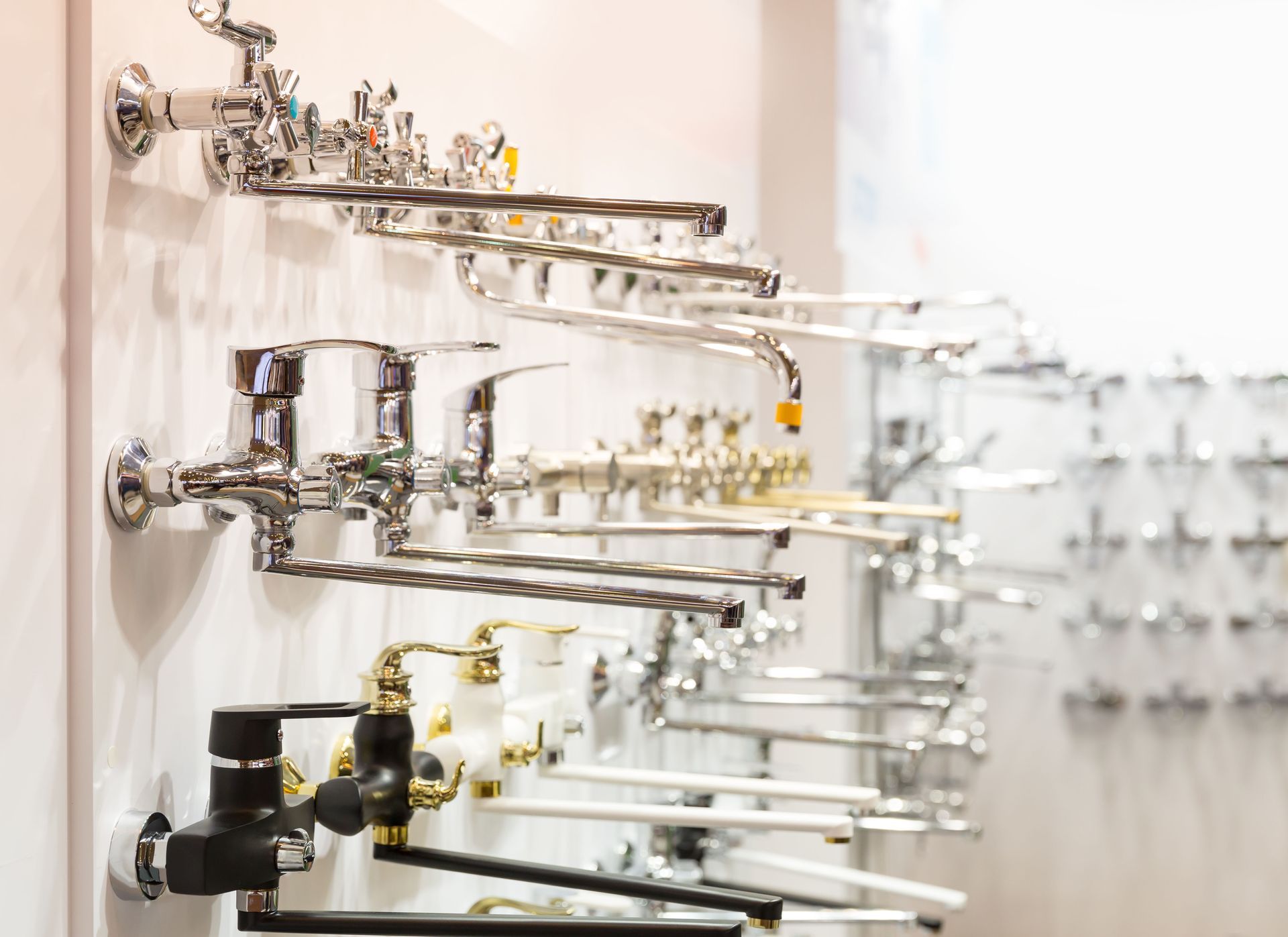
Warm-toned cabinets often pair beautifully with brushed brass, champagne bronze, or copper-inspired fixtures. Cooler cabinet colors may work well with polished chrome, matte black, or stainless finishes. In some spaces, mixed finishes can add character, but the overall design should still feel intentional rather than random.
Texture also plays a role in the relationship between fixtures and cabinetry. Matte cabinet finishes may pair nicely with softer faucet finishes, while glossy cabinetry can support more reflective fixtures. When these details complement each other, the room often feels more balanced and professionally designed.
Beyond aesthetics, coordinated finishes can also contribute to long-term design satisfaction. Homeowners who thoughtfully match fixtures with surrounding hardware often create spaces that remain visually appealing through changing trends and evolving decor preferences.
Match Faucet Shapes With Cabinet Profiles
Cabinet door styles can strongly influence which decorative faucets look most appropriate within a space. Clean-lined cabinets with flat fronts and minimal detailing often pair best with streamlined faucet silhouettes that maintain a contemporary appearance. Sleek curves, simple handles, and understated forms tend to complement modern cabinet profiles without overwhelming them.
Traditional cabinet styles with raised panels, decorative molding, or ornate detailing may benefit from more classic faucet designs. Fixtures with graceful curves, vintage-inspired handles, or elegant detailing can reinforce the traditional character of the cabinetry while adding sophistication to the room.
Transitional spaces allow homeowners to blend modern and traditional influences. In these environments, fixtures with softened contemporary lines or subtle traditional accents can help bridge the two styles successfully. The goal is to ensure that the faucet and cabinet profiles feel connected through shape and visual language.
Scale is another important consideration. Oversized faucets may overpower delicate cabinetry, while extremely minimal fixtures can appear too understated beside bold cabinet details. Choosing pieces that maintain proportional balance helps the overall design feel harmonious and comfortable.
Complement Cabinet Colors With Faucet Tones
Cabinet color can significantly affect how decorative faucets appear within a room. Light cabinets often provide flexibility because they can support both warm and cool fixture finishes. White, cream, and soft neutral cabinetry may allow the faucet to become a focal point while still maintaining balance throughout the design.
Dark cabinetry can create dramatic contrast when paired with lighter metallic finishes. Brass, brushed nickel, and polished chrome fixtures often stand out beautifully against deep wood tones or richly painted cabinets. These combinations can introduce visual depth and create a luxurious atmosphere.
Natural wood cabinets bring warmth and texture into a space, making it important to choose fixtures that enhance those organic qualities. Softer metallic finishes may complement natural wood grains more effectively than highly reflective options. The combination can create a welcoming environment that feels grounded and timeless.
Color undertones should also remain consistent throughout the design. Cabinets with warm undertones generally pair best with similarly warm finishes, while cooler cabinet tones may benefit from cooler metallic options. Paying attention to undertones helps prevent subtle clashes that can disrupt the room’s visual flow.
Balance Decorative Details Throughout the Space
When selecting decorative faucets, it is important to consider how much ornamentation already exists within the cabinetry. Highly detailed cabinets often benefit from simpler fixtures that prevent the space from feeling overly busy. In these situations, understated selections can provide elegance without competing for attention.
Conversely, minimal cabinetry may benefit from more visually interesting faucet designs. Decorative faucets with sculptural silhouettes or artistic detailing can introduce personality and become statement features within a simpler environment. This balance allows the space to feel layered without becoming overwhelming.
The surrounding design elements should also support the relationship between cabinetry and fixtures. Countertops, lighting, backsplashes, and decorative accents all contribute to the room’s visual rhythm. Faucets should feel connected to the broader design palette rather than isolated from it.
Visual balance often comes from restraint. Instead of introducing competing styles or excessive detailing, homeowners may achieve stronger results by focusing on complementary textures, finishes, and shapes. A well-balanced design tends to feel more sophisticated and comfortable over time.
Consider Room Style and Architectural Influence
The architectural character of a home can provide helpful direction when pairing decorative faucets with cabinetry. Rustic interiors often pair beautifully with natural wood cabinets and fixtures that feature softer finishes or vintage-inspired details. These combinations can reinforce the warmth and authenticity of the overall design.
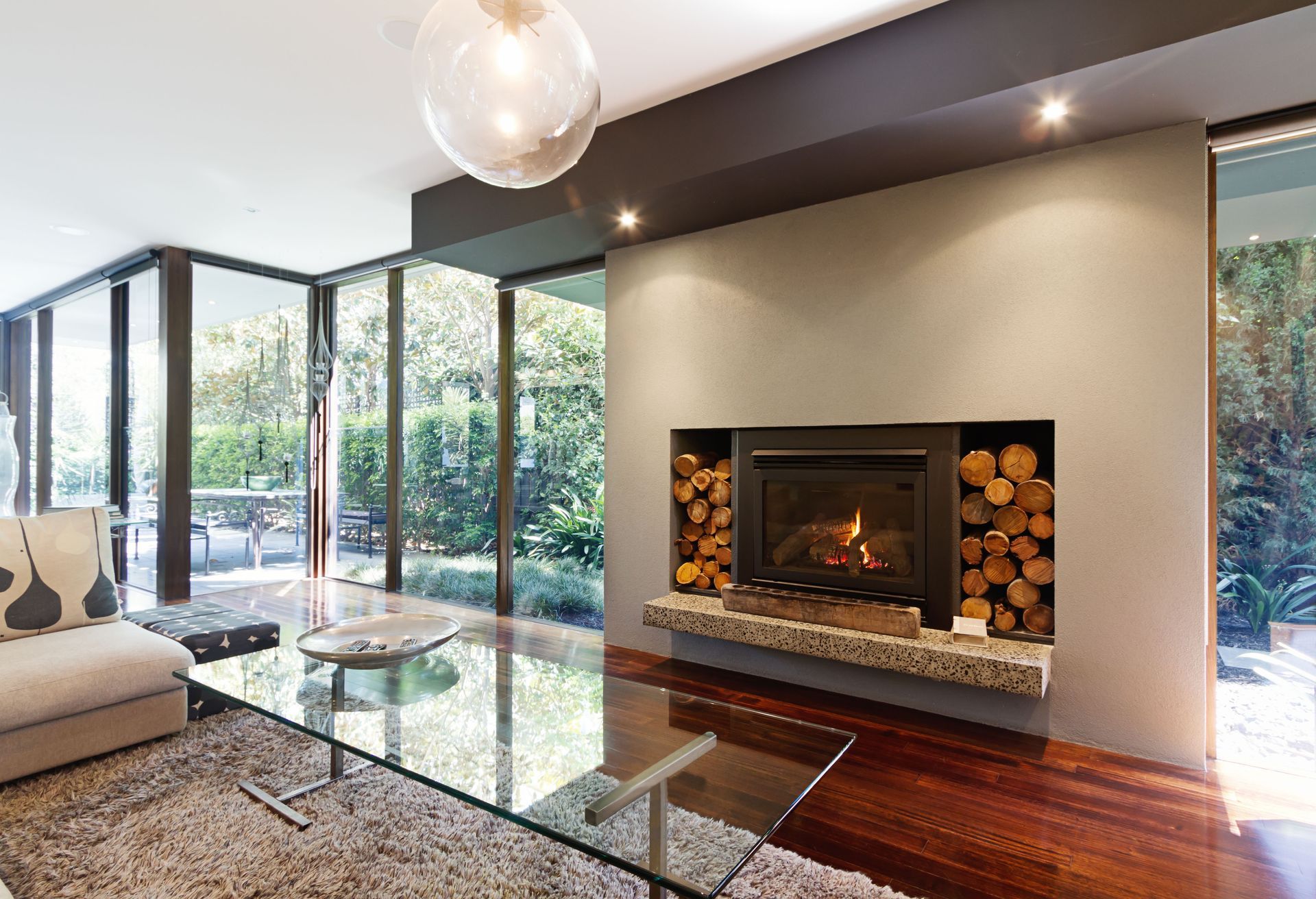
Contemporary homes may benefit from minimalist fixtures paired with streamlined cabinetry and subtle hardware. Clean geometry, restrained detailing, and cohesive finishes can help support a modern aesthetic that feels polished and intentional.
Farmhouse-inspired spaces often incorporate shaker-style cabinets alongside fixtures that feature classic curves or timeless finishes. These combinations can create a welcoming atmosphere while maintaining a balance between traditional and updated design elements.
Luxury-inspired interiors may call for more refined pairings. Rich cabinetry, layered textures, and statement fixtures can create an upscale appearance when carefully coordinated. In these settings, even small fixture details can contribute significantly to the room’s overall impression.
Consistency between architectural style and decorative choices helps spaces feel unified rather than disconnected. When faucets reflect the same design influences as the cabinetry and surrounding features, the entire room often appears more thoughtfully curated.
Prioritize Function Alongside Visual Appeal
While style plays a major role in selecting decorative faucets, functionality should remain equally important. Faucets are frequently used fixtures, so they should support daily routines comfortably while also complementing cabinetry visually. The ideal selection combines practical performance with attractive design.
Handle placement, spout height, and overall faucet reach can all affect usability. Fixtures should work comfortably within the sink area without interfering with nearby cabinets, backsplashes, or shelving. Practical considerations often influence which styles are most suitable for a particular layout.
Ease of maintenance is another important factor. Certain finishes may show fingerprints or water spots more readily than others. Homeowners often benefit from selecting options that align with their desired maintenance level while still complementing cabinet finishes and room aesthetics.
Durability also contributes to long-term satisfaction. Quality fixtures can help preserve the appearance and function of a space for years while supporting the investment made in cabinetry and remodeling materials. Choosing reliable products alongside attractive cabinetry often creates a more successful overall result.
Decorative details can dramatically influence how cohesive and refined a kitchen or bathroom feels. When decorative faucets are carefully paired with cabinet styles, finishes, colors, and architectural influences, they help create a polished environment that feels intentional from every angle. Thoughtful coordination between fixtures and cabinetry allows each element to support the other rather than compete for attention.
Whether the goal is a modern retreat, a timeless traditional space, or a warm transitional design, selecting complementary fixtures can enhance the overall atmosphere and strengthen the visual harmony of the room. For homeowners exploring stylish fixture and hardware solutions, we at Bona Decorative Hardware can help guide the process with selections designed to complement a wide range of cabinet styles and interior aesthetics.
Share On: